 Work Quest Hub

Categories
- Step 1
Career Exploration
Dental assisting is hands-on, chairside work: passing instruments, running the high-volume evacuator, taking intraoral radiographs, mixing alginate for impressions, and turning over the operatory and autoclave between patients. The U.S. Bureau of Labor Statistics lists a high school diploma as the typical entry-level education (2025) and notes that training programs lead to a certificate or diploma, with on-the-job training also part of the picture (2025).
- Step 2
Day in the Life
A pharmacist's day is built around verification: checking that every prescription leaving the counter is the right drug, dose and patient, and that nothing in it collides with what the person already takes. Around that core sit vaccinations, calls to prescribers, insurance problems, inventory and supervision of technicians and interns.
- Step 3
Getting Started
CompTIA A+ is earned by passing two separate exams — Core 1 and Core 2 — from a single issuing body, CompTIA (CompTIA, February 2024). There are no formal prerequisites, so anyone can register and sit them (StationX, undated; Infosec Institute, undated), but CompTIA recommends hands-on experience first (CompTIA, undated).
- Step 4
Salary & Compensation
Bartending is worth it financially when tips are strong enough to carry the cash wage, because in most states the cash wage for tipped work is set below the standard minimum and tips are expected to close the gap. The U.S. Bureau of Labor Statistics publishes a national median annual wage and a 10th-to-90th percentile hourly range for bartenders in its 2025 data, plus the same two measures for waiters and waitresses — the closest comparable job.
- Step 5
Career Change
Paralegal work is document-heavy, deadline-driven support for attorneys: gathering case facts, researching law, drafting correspondence and contracts, obtaining affidavits, filing with courts and scheduling depositions (U.S. Bureau of Labor Statistics, 2025). Most people enter with an associate's degree or a paralegal studies certificate, and no prior experience in a related occupation is typically required (U.S. Bureau of Labor Statistics, 2025).
- Step 6
Resumes & Interviews
Warehouse interviews are short, practical and heavy on scenarios: how you lift, what you do when a count does not match the paperwork, and what happened the last time you saw something unsafe. Interviewers screen for safety judgment, honesty about equipment, and attendance across nights and weekends.
Latest Guides
All articles →
Is Bartending Worth It? How Tips and Hourly Pay Stack Up
Lena Kowalczyk · 7 min read
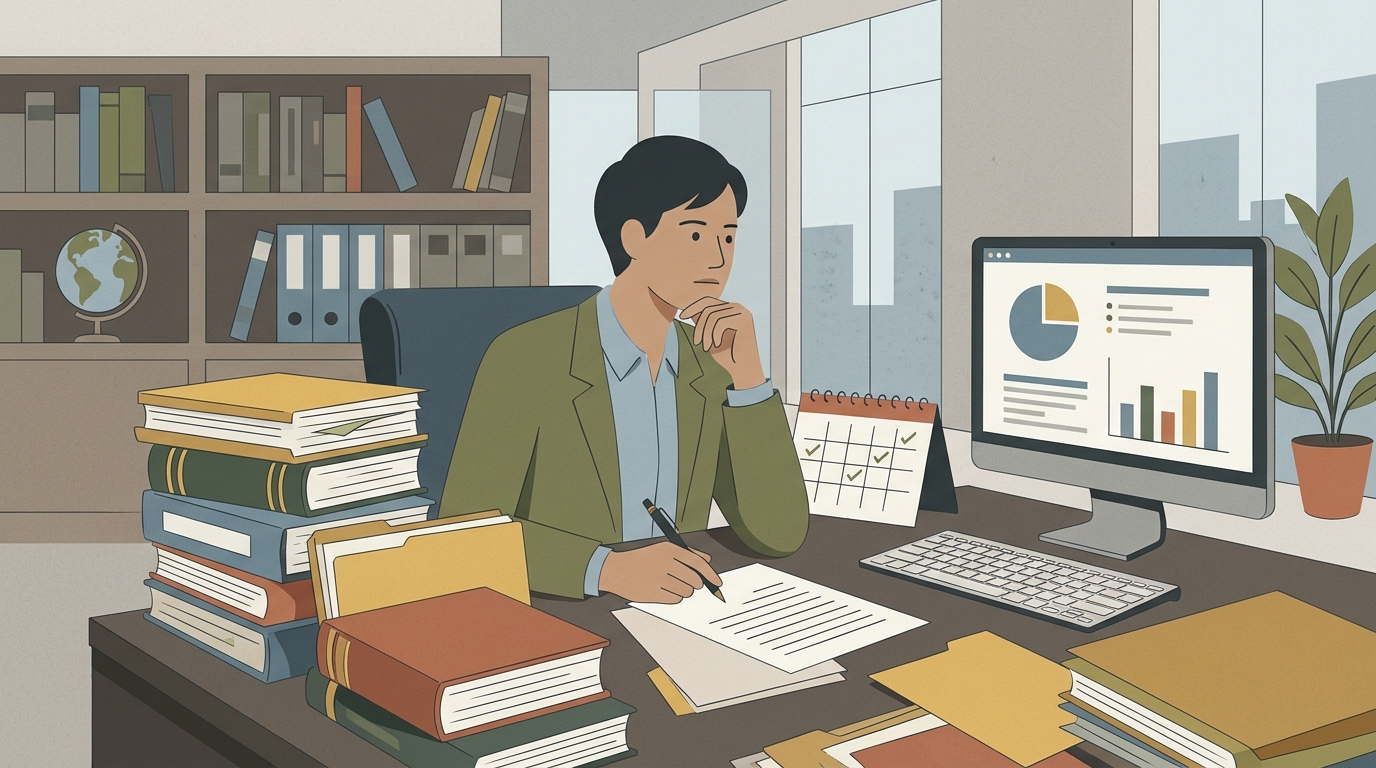
Thinking About Becoming a Paralegal? Ask Yourself These Questions First
Lena Kowalczyk · 10 min read

A Day in the Life of a Pharmacist
Yuki Tanaka-Reeves · 8 min read

Pharmacist: Entry-Level vs. Experienced Day-to-Day
Lena Kowalczyk · 9 min read

How to Get CompTIA A+ Certified
Desmond Okafor · 9 min read
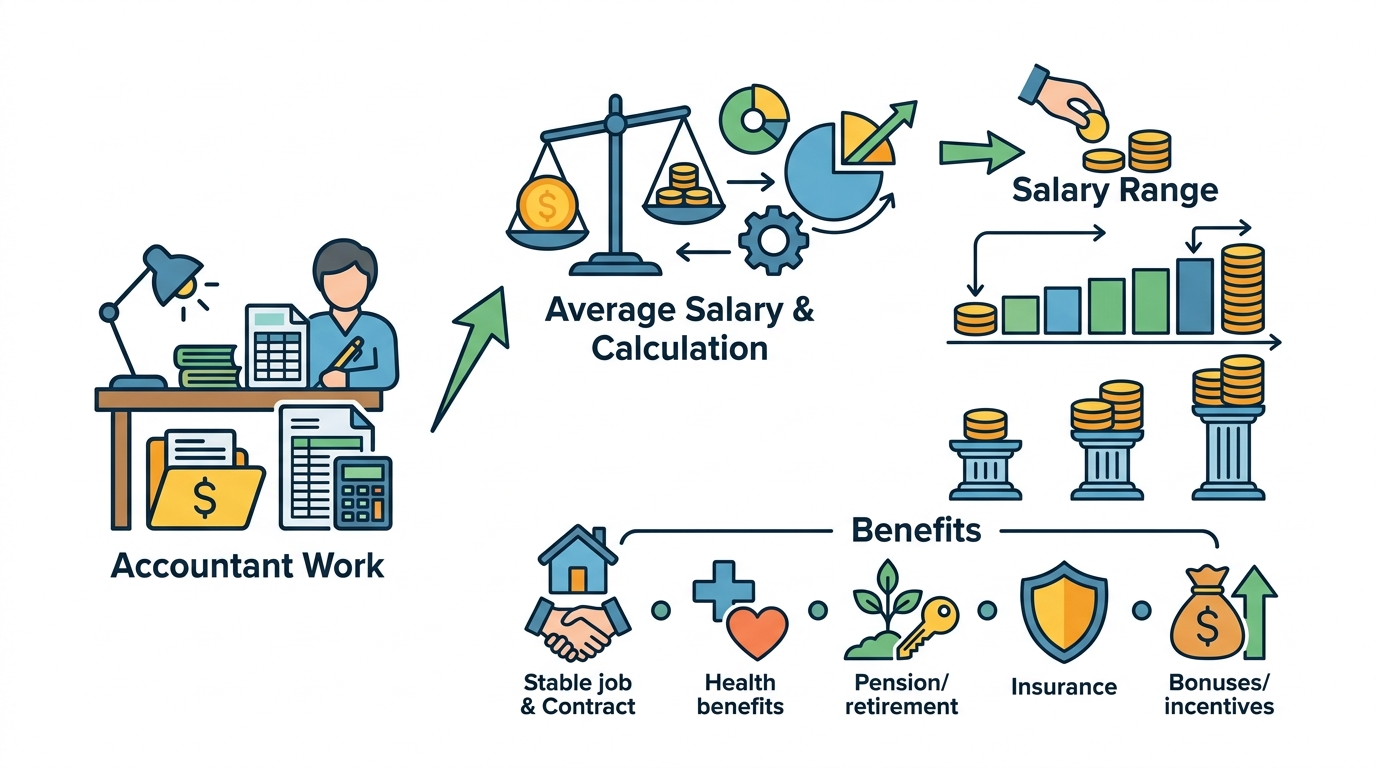
Accountant Pay Explained: Average Salary, Range, and Benefits
Priya Natarajan · 7 min read
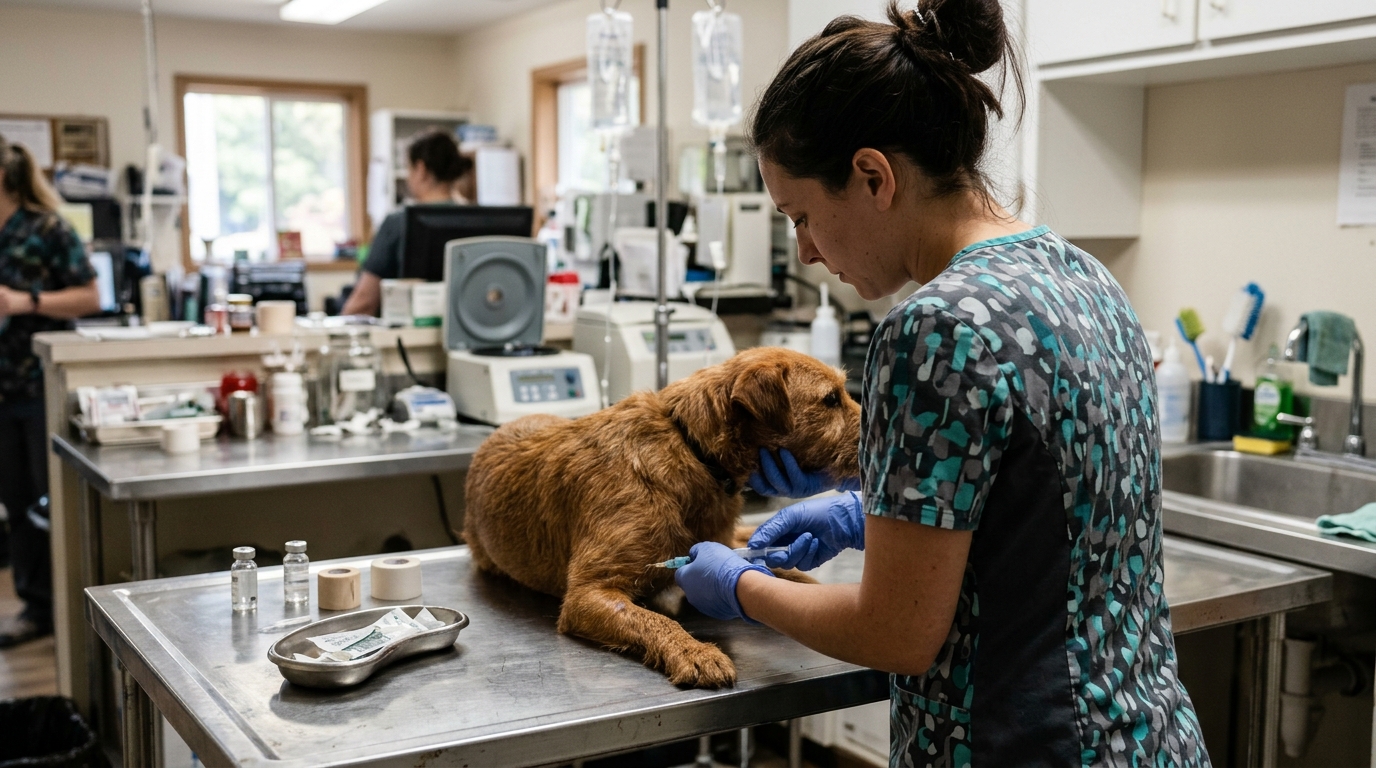
What Does a Veterinary Technician Do? A Day-in-the-Life Guide
Marcus Bellweather · 8 min read

Pharmacist: Weekday vs. Weekend Life
Priya Natarajan · 8 min read